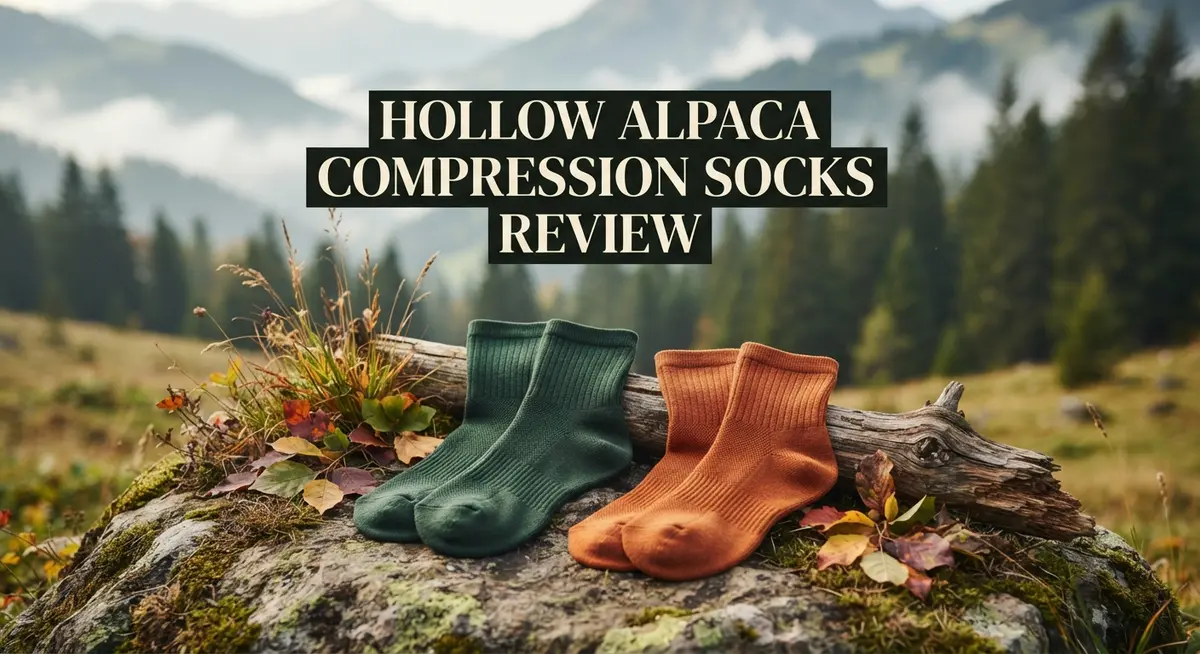
Hollow Alpaca Compression Socks Review: Benefits, Fit, and Performance
Do your legs feel tired and swollen after a long day? You are not alone. Many people struggle with leg discomfort from work, travel, or daily activity.
Hollow Alpaca Compression Socks offer a simple fix. They use graduated compression to boost blood flow and ease pain. This helps your legs feel lighter and less tired.
The non-binding cuff is another standout feature. It fits snug without leaving marks on your skin. This is great news for anyone with sensitive or swollen legs.
In this review, we will look closely at what these socks do well. We will also cover some issues that users have reported. You will learn if these socks fit your lifestyle and your needs.
Ready to see if alpaca fiber can change how your legs feel? Let us walk through every detail together.
In a Nutshell
- Graduated compression sits between 15 and 20 mmHg. It stays firm at the ankle and eases up the calf. This helps blood flow and reduces swelling.
- The alpaca fiber keeps feet dry and fresh. It fights odor naturally and beats merino wool at regulating temperature.
- A non-binding cuff means no tight marks on your skin. Your legs stay comfortable, even after hours of wear.
- These socks work well for travel, work, or workouts. You get all-day support without feeling squeezed.
- Some users report toe wear after regular use. A few even found small holes forming early on.
- Compared to brands like Darn Tough and Farm to Feet, alpaca fiber offers softer comfort. But durability may need more testing over time.
Material and Fabric Quality
Alpaca fiber stands out as the core material in these compression socks. Unlike synthetic alternatives, alpaca offers natural softness that feels gentle against your skin from the moment you put them on.
The fabric construction uses premium alpaca fiber to create a smooth, breathable surface. This material naturally resists odors and moisture better than standard cotton blends. Your feet stay dry even during long workdays or intense activity. The antimicrobial properties mean these socks work hard to keep bacteria and fungi at bay without harsh chemicals.
Alpaca fiber also provides superior thermoregulation compared to merino wool. In summer, the fabric breathes and cools your feet. During cooler months, it traps warmth without overheating. This adaptability makes them practical year-round.
The non-binding cuff design uses a softer elastic blend that won’t dig into your skin. People with swollen legs appreciate this feature most. Traditional compression socks often leave red marks or uncomfortable grooves. These socks eliminate that problem while still delivering the graduated compression you need.
The 15 to 20 mmHg compression rating sits in the firm range. The pressure concentrates at your ankle and gradually eases up your calf. This gradient helps push blood upward and reduces swelling and heaviness.
A few durability concerns exist, though. Some users report premature wear in the toe area after regular use. Holes can develop after limited wear, which affects the overall lifespan. This is an important point to consider if you plan to wear them daily.
The alpaca material itself resists pilling and maintains its shape better than many alternatives. However, the construction quality at stress points like the toe box may need improvement. Proper care during washing can extend their life, but this remains a noted weakness.
Overall, the alpaca fiber delivers genuine comfort and performance. The natural properties work well for moisture management and temperature control. The non-binding cuff adds practical value for people with leg swelling. Just keep durability in mind when deciding if these socks fit your needs.

- STANDARD FIT WITH STRETCH SUPPORT: Tighter fitting designed with stretch materials to accommodate a wider range of calf sizes...
- GRADUATED COMPRESSION FOR DAILY WEAR: 15–20 mmHg graduated compression applies targeted pressure from ankle to calf to...
Last update on 2026-08-30 / Affiliate links / Images from Amazon Product Advertising API
Compression Level and Support
The compression level in Hollow Alpaca Compression Socks sits at 15 to 20 mmHg, which falls into the firm support category. This range works well for people who want noticeable compression without feeling too tight. The graduated design means your ankle gets the strongest squeeze, and the pressure eases as it moves up your calf.
This compression strength helps reduce swelling and leg pain after long days. Many users wear them during work shifts, travel, or exercise and notice their legs feel fresher by evening. The firm level also supports blood flow without cutting off circulation or leaving marks on your skin.
The non-binding cuff plays a key role in the support system. Unlike traditional compression socks that dig into your leg, this design uses a softer elastic blend. Your skin stays comfortable, and you won’t see red marks or indentations after wearing them all day. This feature matters especially if your legs swell during the day.
Alpaca fiber enhances the support experience in ways synthetic materials cannot. The natural fibers work with your body’s temperature, keeping compression effective without overheating. Your feet stay dry through moisture-wicking action, which prevents the sock from shifting or losing its grip during activity.
The support stays consistent throughout the day. You won’t feel the compression loosen as you move around. The alpaca fibers maintain their elasticity better than many alternatives, so the socks perform reliably whether you’re sitting at a desk or walking around.
One consideration involves durability. Some users report toe wear after regular use, which can affect long-term support. The rest of the sock typically holds up well, but this issue may reduce how long the compression benefits last. If you wear them frequently, you might need replacements sooner than expected. Despite this concern, the 15 to 20 mmHg compression level delivers solid, all-day support for most people seeking firm ankle and calf pressure.
Comfort and Fit
Hollow Alpaca Compression Socks deliver comfort that works hard during your entire day. The alpaca fiber blend creates a soft surface against your skin while still providing the support you need for swelling and leg pain relief.
The fit feels snug but never restrictive. Many users appreciate how the socks hug your ankle firmly without cutting off circulation or leaving deep marks. This matters especially if your legs swell throughout the day. The graduated compression starts stronger at your ankle and gradually eases up your calf, which keeps blood flowing naturally.
Your feet stay dry and fresh thanks to alpaca’s moisture-wicking ability. The fiber pulls sweat away from your skin instead of letting it sit and cause discomfort. This keeps odor down too, so you can wear them for long shifts at work or during travel without worrying about your feet feeling damp or smelly.
The non-binding cuff sits loose enough that you won’t see red marks or indents when you take the socks off. This feature makes a real difference if you have sensitive skin or legs that puff up. You get compression support without the pain of tight elastic digging in.
Putting them on and taking them off feels easy. The fabric stretches smoothly over your heel and foot without requiring you to wrestle with the material. This simple on-off experience matters when you’re tired after a long day or dealing with limited mobility.
The socks stay comfortable from morning until bedtime. Whether you’re standing at work, sitting during travel, or moving around during workouts, the alpaca construction adapts to what your feet need. The material breathes well, so your feet don’t overheat even when you wear the socks for hours straight.
One note: some users report that the toe area shows wear faster than other parts of the sock. This durability concern is worth keeping in mind if you plan to wear them frequently. Overall, the comfort and fit experience ranks high for most wearers, especially those seeking natural fiber alternatives to synthetic compression socks.
Top 3 Alternatives
Sockwell Merino Wool Socks

- RECOMMENDED FOR: All day/everyday wear, flying and travel, prolonged sitting or standing, exercise, recovery, and pregnant...
- 4 ZONES OF FIRM (20-30 mmHg) GRADUATED COMPRESSION: helps to minimize swelling, reduce fatigue, stabilize muscles, and...
Last update on 2026-08-30 / Affiliate links / Images from Amazon Product Advertising API
Sockwell creates socks using premium merino wool that keeps your feet comfortable all day long. The material naturally regulates temperature, so your feet stay warm in winter and cool in summer. Merino wool also resists odor, which means you can wear these socks longer between washes.
These socks work well for people who spend hours on their feet. The cushioning provides support without feeling too thick or bulky. Sockwell designs them for everyday wear, making them a solid choice if you want comfort without compression features.
Smartwool Compression Socks

- 20-30 Mmhg Graduated Compression Mesh Patterning In The Leg Of The Sock For Improved Breathability Indestructawool Technology...
Last update on 2026-08-30 / Affiliate links / Images from Amazon Product Advertising API
Smartwool combines merino wool with compression technology to support blood flow in your legs and feet. The graduated compression helps reduce swelling and fatigue, especially during long workdays or travel. Your feet feel lighter and more energized when wearing these socks.
The merino wool component keeps moisture away from your skin, preventing blisters and discomfort. Smartwool offers different compression levels, so you can pick the right amount of support for your needs. Athletes and people with circulation issues often prefer this option.
CEP Compression Socks

- 20-30mmHg Targeted Compression for Peak Performance – Patented technology applies precise compression to the calf, ankle...
- Train Harder, Recover Faster – Targeted compression helps alleviate pain from common leg and foot issues, including shin...
Last update on 2026-08-30 / Affiliate links / Images from Amazon Product Advertising API
CEP specializes in compression gear and brings that expertise to their sock line. Their socks use advanced compression technology that targets specific areas of your foot and calf. The targeted support helps with performance and recovery, making them popular among runners and active people.
CEP socks use synthetic materials that dry quickly and last through many washes. The compression feels snug but not restrictive, allowing you to wear them comfortably for extended periods. These socks work best if you want serious compression benefits for athletic activities or medical reasons.
Thermoregulation and Moisture-Wicking
Alpaca fiber stands out for how it manages temperature and moisture in ways that synthetic blends simply cannot match. The hollow structure of alpaca fibers creates tiny air pockets that trap warmth when you need it and release heat when your feet get too warm. This natural balance keeps your feet comfortable throughout the day, whether you’re sitting at a desk or moving around.
Moisture management is where these socks truly shine. Alpaca fiber pulls sweat away from your skin faster than merino wool and many other natural materials. Your feet stay dry even during intense activity or long workdays. The moisture-wicking action happens automatically, so you don’t have to think about it.
The antimicrobial properties built into alpaca fiber deserve special attention. This means the socks naturally resist odor and bacterial growth without needing chemical treatments. Your feet feel fresher for longer, which matters if you wear compression socks all day. The material works hard to keep moisture from sitting on your skin where bacteria thrive.
One key advantage emerges when comparing alpaca to alternatives. Merino wool is popular, but alpaca fiber regulates temperature more effectively. It doesn’t trap as much heat in warm environments. For people who get hot easily or live in warmer climates, this difference becomes noticeable.
The compression itself works better when moisture stays controlled. Wet skin under compression can feel uncomfortable and reduce the sock’s effectiveness. Alpaca’s natural moisture management keeps the compression feeling supportive rather than clammy.
The hollow fiber structure also means the socks feel lighter than you’d expect. You get firm 15 to 20 mmHg compression without that heavy, suffocating sensation. Your legs breathe better throughout the day.
Temperature regulation combined with moisture control creates an environment where your feet thrive. Whether you’re traveling, working, or recovering from activity, the alpaca material works continuously to maintain the right balance. This is why many users report feeling fresher and more comfortable compared to standard compression socks made from synthetic materials.
Durability and Longevity
Hollow Alpaca Compression Socks show solid durability in most areas, though some specific wear patterns emerge with regular use. The alpaca fiber itself resists pilling and maintains its shape better than many alternatives, which speaks to the material’s inherent strength.
The real durability story centers on one weak point: the toe area wears faster than other sections of the sock. Users report holes appearing in the toes after limited use, which stands out as the main longevity concern. This premature toe wear suggests that while the rest of the sock holds up well, this particular area needs reinforcement or different construction methods.
The non-binding cuff design contributes to overall durability in a subtle way. Because the cuff sits loose and doesn’t create tension marks, it experiences less stress from repeated stretching and contracting. This means the upper portion of the sock maintains its integrity through many wash cycles.
Alpaca fiber naturally resists degradation that plagues synthetic materials. The fiber doesn’t break down as quickly when exposed to moisture, heat, or friction. This gives you a sock that maintains compression effectiveness over time, even as wear begins in other areas.
For extended wear during work, travel, or activity, expect the socks to perform well for several months before noticeable deterioration. The compression level stays consistent throughout the day and across multiple wearings. However, plan for the toe reinforcement to fail sooner than the rest of the sock.
To maximize longevity, rotate between multiple pairs rather than wearing the same pair daily. This reduces stress on any single sock and extends the lifespan of your collection. Hand washing or gentle machine cycles also help preserve the alpaca fibers better than hot water or heavy agitation.
The bottom line: Hollow Alpaca Compression Socks deliver good durability overall, with excellent performance in the calf and ankle regions. The toe wear issue prevents them from earning top marks for longevity. For users who can work around this limitation, the socks provide reliable support and comfort across many months of regular use.
Pros and Cons
Pros
- Reduces swelling and leg pain with 15–20 mmHg graduated compression that feels firm at the ankle and eases up the calf
- Alpaca fiber wicks moisture and kills bacteria naturally, keeping your feet dry and fresh all day
- Non-binding cuff prevents red marks and indents on swollen legs, so your skin stays comfortable
- Easy to put on and take off without struggling or needing extra tools
- Superior temperature control compared to merino wool and synthetic blends
Cons
- Toe area shows wear faster than other parts of the sock after several months of regular use
- Some users report holes developing in the toes sooner than expected with limited wear
- Durability issues concentrated in one weak spot means rotation between multiple pairs extends their lifespan
Who Should Buy It
Hollow Alpaca Compression Socks work best for people who need consistent leg support throughout their day. If you spend long hours standing, sitting, or traveling, these socks deliver the compression you need without the discomfort of binding.
Athletes and active people benefit from the 15–20 mmHg graduated compression. The firm ankle support helps with blood flow during exercise, while the gentle calf compression reduces fatigue. Whether you run, hike, or play sports, these socks keep your legs feeling fresher.
People with swollen legs or feet find real relief here. The non-binding cuff prevents those painful red marks that regular compression socks leave behind. You get the medical benefits without skin irritation or indentation marks.
Professionals who work on their feet all day should consider this option. Retail workers, nurses, teachers, and others in standing jobs experience less leg pain and swelling by day’s end. The moisture-wicking alpaca fiber keeps your feet dry during long shifts, which matters for comfort and hygiene.
Travelers love these socks for flights and road trips. The compression prevents blood clots during extended sitting, while the thermoregulation keeps your feet comfortable in different climates. The easy on and off design means you can slip them on quickly at the airport.
If you have sensitive skin or antimicrobial concerns, alpaca fiber addresses both issues naturally. The material resists bacteria growth better than synthetic blends, so your feet stay fresher longer without chemical treatments.
However, skip these socks if durability is your only priority. The toe area wears faster than expected with regular use. If you want compression socks that last for years without any wear concerns, you might explore alternatives first.
People who rotate between multiple pairs rather than wearing one pair daily will get better longevity. This approach works well for anyone committed to a sock rotation system.
Overall, Hollow Alpaca Compression Socks suit active people, travelers, professionals on their feet, and anyone seeking natural moisture management combined with reliable compression support.
Final Verdict
Hollow Alpaca Compression Socks deliver on their main promise. Your legs feel supported and comfortable from morning to night.
The compression level suits most people who stand or sit for long hours. This makes them a solid pick for daily wear.
Compared to Darn Tough ankle socks or Farm to Feet boot length options, these socks offer a unique fiber advantage. Alpaca fiber brings natural temperature control that synthetic blends often miss.
The toe wear issue is real, but it does not erase the benefits these socks provide. Most buyers still find the comfort and support worth the trade off.
Think of these socks as a strong middle ground. They blend performance features with natural material benefits that few competitors match.
If you want socks that feel gentle on skin while still offering firm compression, this pair checks that box. Sensitive skin users often report fewer irritations here than with synthetic options.
Frequent flyers and people who stand at work will likely see the most value. Their legs get relief without sacrificing comfort throughout the day.
Casual users who wear compression socks occasionally may not notice the toe wear as quickly. Heavy daily wearers should plan ahead and rotate pairs.
Overall, these socks earn a recommendation for anyone prioritizing leg comfort and natural fiber benefits. The compression works as promised, and the material feels different from typical options on the market.
Just keep the toe durability concern in mind before committing to one pair for everyday use. A little extra care extends their lifespan significantly.
For most shoppers, this pair offers a smart choice. The pros outweigh the cons for people who value comfort, moisture control, and natural antimicrobial properties.
Give them a try if your priority is all day support rather than just raw durability. Your legs will likely thank you by the end of a long day.
Frequently Asked Questions
Do Hollow Alpaca Compression Socks work for people who sit at desks all day?
Yes, they work well for desk jobs. The 15–20 mmHg graduated compression keeps blood flowing in your legs even when you sit for hours. Your ankles get firm support while the pressure eases up your calf, preventing that heavy, swollen feeling that happens after long workdays.
Many desk workers report less leg fatigue by the end of their shift. The non-binding cuff means no red marks on your skin, which matters if you wear them under pants all day.
Are these socks better than merino wool compression socks?
Alpaca fiber has one clear advantage: superior temperature control. Merino wool can feel warm in summer, but alpaca keeps your feet cooler while still wicking moisture away. Both materials fight bacteria naturally, but alpaca does it without the itchy feeling some people get from wool.
If you run hot or live in a warm climate, alpaca wins. If you prefer traditional wool feel, merino is fine too. The compression level (15–20 mmHg) matters more than the fiber choice for actual leg support.
Why do the toes wear out faster than other parts?
The toe area takes constant friction from your shoes and repeated movement. This is the main durability complaint users mention. Toes wear before the calf or ankle, which is frustrating but common in compression socks.
You can extend sock life by rotating between multiple pairs instead of wearing the same pair daily. This gives the fibers time to recover between wears.
Can I wear these for flights and road trips?
Absolutely. Travelers love these socks for long journeys. The compression reduces swelling during flights, and the moisture-wicking keeps your feet dry in airplane cabins or car seats. Easy on and off at security checkpoints is another bonus.

Hi, I’m Sasha! I’m passionate about wellness and helping people navigate the overwhelming world of health products. After years of trial and error with countless supplements, gadgets, and wellness trends, I started Fresh Focus to share honest reviews and practical guidance. My goal is simple: help you find products that actually work so you can stop wasting money on wellness hype.